


A Practical Guide to Hospitality Brand Films

A memorable hospitality film does more than show a beautiful dining room or a neatly plated dish. It gives prospective guests a feeling for the place before they book a table, reserve a room, or plan a visit. This guide to hospitality brand films is for operators and marketing teams who want a film with genuine commercial purpose: one that makes the right people want to experience what you do.
For a chef-led restaurant, that might mean the quiet concentration of the pass, the first crack of a brûlée, and the welcome at the door. For a hotel, it may be the pace of a weekend away, from morning coffee to a late drink by the fire. For a destination or tourism venue, the story often lies in the landscape, the local makers, and the people who give the area its character.
Start With the Guest You Want to Reach
The most useful brand films begin with a clear question: who needs to see this, and what should they understand or feel afterward? “We need a video for the website” is a reasonable starting point, but it is not yet a brief. A film created to drive wedding inquiries will look and sound different from one designed to introduce a new neighborhood restaurant, promote corporate stays, or support a regional tourism campaign.
Think about the moment your audience is in. Are they comparing restaurants for a special occasion? Looking for a relaxed pub lunch? Choosing a hotel for a short break? Considering whether your venue is the right fit for an event? The film should answer their unspoken questions without becoming a sales presentation.
That means identifying one central promise. It could be seasonal cooking, warm service, an exceptional setting, local provenance, family-friendly comfort, or the skill behind a distinctive product. A good film can contain several ingredients, but it needs one idea to hold them together.
What a Hospitality Brand Film Should Show
Hospitality is experienced through the senses, which is why generic video coverage rarely does the job. A series of wide shots, food close-ups, and smiling staff may look polished, yet still feel interchangeable. The strongest films connect food, people, place, and atmosphere in a way that could only belong to your business.
Food is evidence, not the entire story
Food and drink need to look tempting, of course. Steam, texture, pouring, finishing touches, and the movement of service all bring dishes to life on screen. But beautiful food imagery works hardest when it supports the larger story. A close-up of a baker shaping dough says more when the viewer understands the early start, the craft, and the people waiting for that bread later in the day.
The same applies to drinks. A cocktail being made, a pint being pulled, or a bottle being opened can provide rhythm and detail. It should also reflect the occasion and the personality of the venue. A lively bar and a quiet country inn should not be filmed with the same visual pace.
People create belief
Guests may come for the food, room, view, or location, but they remember how a place made them feel. Your team is central to that feeling. A chef checking a plate, a server setting a table with care, a host greeting arrivals, or a producer talking about an ingredient brings credibility that stock-style imagery cannot.
Not everyone needs to speak on camera. In fact, forcing interviews can make a film feel stiff. It depends on the brand and the story. An owner, chef, guide, or long-standing team member can provide a valuable human voice when they speak naturally about work they know well. In other cases, sound from the kitchen, dining room, or landscape, paired with carefully observed visuals, says enough.
Place gives the film its character
The setting is not just a backdrop. Architecture, light, weather, neighboring streets, fields, coastlines, and the route into a venue all help viewers imagine themselves there. This matters particularly for hotels, pubs, tourism businesses, and destination brands, where the experience begins before a guest crosses the threshold.
Show the details that are specific to the place rather than relying only on the obvious hero view. The worn brass on a bar, the first light in a dining room, a garden being prepared, or a cook walking through a local market can reveal more character than an extended exterior shot.
Plan the Film Around Real Service
A brand film should feel alive, but hospitality shoots need careful organization to avoid disrupting guests, staff, and service. The planning conversation is where a great deal of pressure can be removed. Before filming, agree on the message, the priority scenes, the rooms or areas to be shown, the key people involved, and the final places the film will be used.
A restaurant may film preparation before service, selected kitchen moments during the quieter period, and the dining room with invited guests or a controlled early sitting. A hotel may need different timings for bedrooms, breakfast, arrivals, leisure facilities, and evening atmosphere. If a venue is open throughout the day, trying to capture everything in one rushed session can weaken the result. Two shorter shoots may be a better choice.
Food preparation needs the same attention. Hero dishes should be chosen in advance, with ingredients, serving ware, and garnish ready when needed. This does not mean making food look artificial. It means giving the kitchen enough time and space to present its work at its best. The camera sees small details: fingerprints on glassware, wilted herbs, crowded worktops, and tables that have not yet been reset.
A practical shot plan is useful, but it should leave room for the unscripted moments that make a film feel real. A burst of laughter between staff, rain lifting over the garden, a tray arriving at exactly the right time, or the sound of a busy room can become the material people remember.
Choose a Style That Fits the Brand
There is no single correct style for hospitality video. Fast cuts and energetic music may suit a contemporary street-food launch. A considered pace, natural sound, and longer shots may better suit a boutique hotel, fine-dining restaurant, or rural retreat. The film should reflect the experience guests will actually have. Promising high-energy celebration and delivering hushed formality creates the wrong expectation.
Music deserves particular care. It can set the emotional tone quickly, but it should not overpower the real sounds of hospitality. The scrape of a knife, the sizzle from a pan, a coffee grinder, footsteps on a gravel path, and conversation in the room can make a film far more immediate. Where interviews are included, clear sound is not optional. Viewers will forgive a little visual imperfection sooner than they will tolerate difficult audio.
Color, lighting, and camera movement also shape perception. Warm, natural imagery may be right for a pub with open fires and local ales. Crisp, graphic compositions may suit a modern bakery or design-led hotel. The aim is not to follow a visual trend. It is to create work that still feels like your business after the trend has passed.
Build for More Than One Screen
A brand film is often the centerpiece, but it should not be the only deliverable. A well-planned production can create a main film for a homepage or presentation, shorter edits for social channels, vertical versions for mobile viewing, and concise clips focused on a dish, room, experience, or seasonal offer.
This is worth deciding before filming, not after. Vertical footage, for example, needs different framing from a widescreen website film. If your marketing team needs space for captions, a promotional message, or a logo, the camera needs to allow for it. If a campaign will run across several months, filming a broader range of useful material gives you more flexibility without diluting the story.
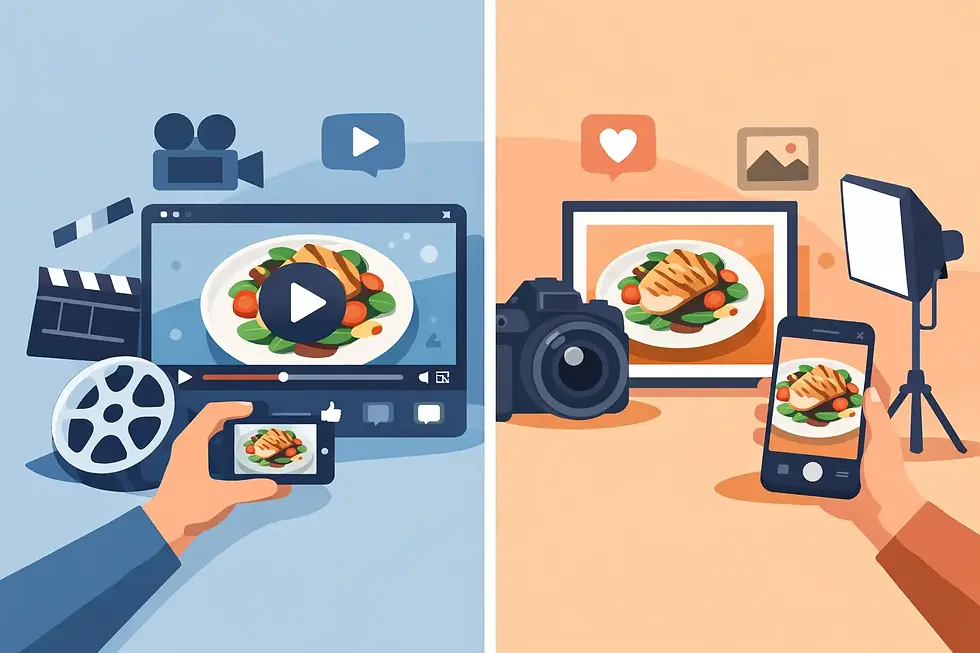
Still photography can also be planned alongside video. The visual language should feel connected across menus, websites, press material, and social content, while each medium does its own job. Video provides pace, sound, and emotion. Photography gives your team strong individual assets for the moments when a single frame needs to work hard.
Measure the Right Outcome
Views are useful, but they are rarely the only measure of success. A film for an independent restaurant might be successful because it keeps visitors on the website longer and helps convert more bookings. A hotel film might support higher-value stays by making its experience clearer. A destination campaign may be judged by inquiry quality, partner engagement, media use, or the confidence it gives visitors to plan a trip.
Ask how the film will be used and what action should follow. Then make sure the ending supports that next step, whether it is exploring the venue, booking a table, checking availability, or speaking with the events team. The call to action should be present without interrupting the atmosphere the film has worked to create.
The best hospitality brand films are not built from a checklist of pretty shots. They come from paying close attention to the work, welcome, food, and setting that guests will encounter for themselves. Give the production enough thought before the camera arrives, and the finished film can make that first impression feel personal long before a guest walks through the door.


Comments